Your Salary Is Growing. Is Your Homeownership Plan Growing With It?

A practical guide for young professionals who are ready to turn their hard-earned income into a place they can finally call their own.
You work hard for the life you want.
You show up for work, meet deadlines, attend meetings, and do your best to build a career that gives you more opportunities. Along the way, you may have started saving, investing, or helping your family financially. Every paycheck represents time, effort, and sacrifices you've made to get where you are today.
But here's a question worth asking yourself: If you're working this hard to build a better future, when do you plan to start owning a piece of it?
For many young professionals, buying a home still feels like something to think about later. Property prices can be intimidating, financing requirements aren't always easy to understand, and the idea of committing to years of payments can make anyone hesitate.
So, the plan gets pushed back.
Maybe next year, when your salary is higher. Maybe after you've saved a little more. Or perhaps when life feels more financially settled.
But what if you don't have to wait until everything is perfect to start planning?
You can begin by understanding your budget, exploring your options, and figuring out what homeownership could realistically look like for you.
If you're working in Cagayan de Oro City, living in a neighboring city, or earning a living remotely, this guide will help you take that first step.
1. Think Beyond the Property. Think About the Life You Want.
Imagine finishing your workday, closing your laptop, making yourself a cup of coffee, and settling into a space that feels like home.
You can decorate it the way you want, create a comfortable workspace, invite friends over, or simply enjoy a quiet evening without having to share your personal space with anyone else.
It's a simple picture, but for many young professionals, that kind of independence is something worth working toward.
This is one reason condominium ownership appeals to people who want a home that fits their current lifestyle. Depending on the development, a condominium may offer shared amenities, building security features, and access to nearby workplaces and essential establishments—all without the upkeep that a larger property might require.
And if you work remotely, your home matters even more. It's where you attend meetings, meet deadlines, build your business, and spend a good part of your day. Having a space that supports both your work and personal life can make a real difference.
Your home should support the life you're building, not just reflect the salary you're earning.
Of course, the goal isn't simply to own a condominium. It's to find one that suits your needs, fits your finances, and makes sense for your plans in the years ahead.
2. You Don't Need to Be Wealthy to Start Planning for Homeownership

One common misconception about buying property in the Philippines is that you need millions of pesos in the bank before you can even consider it.
That isn't necessarily the case.
Many buyers begin by looking at available payment schemes, understanding the upfront costs, and setting a realistic savings goal. The important thing is knowing what you're getting into before making a commitment.
Depending on the property and payment arrangement, you may need to prepare for several expenses:
Reservation fee. The amount required to reserve a unit under the developer's terms.
Down payment or equity. The portion of the purchase price you pay under the agreed payment schedule.
Monthly amortization. Your scheduled payments under the applicable financing arrangement.
Other purchase costs. These may include taxes, transfer charges, loan-related fees, association dues, and other applicable expenses.
The actual amounts will depend on the project, unit type, payment scheme, and financing approval.
That's why I always encourage buyers to look beyond the advertised monthly payment. Ask for the complete breakdown. Find out what you'll need to pay upfront, what your recurring obligations will be, and whether there are additional costs you should prepare for.
A property might look affordable on paper, but it also needs to fit comfortably into your everyday budget.
The goal isn't to buy the most expensive property you qualify for. It's to own a home you can afford without sacrificing your financial security.
3. How Much Should You Earn Before Buying a Condominium?

This is one of the first questions people ask when they start exploring their options.
The honest answer? There's no single salary requirement that applies to every condominium buyer in the Philippines.
Your readiness depends on more than your monthly income. Your existing loans, household expenses, savings, income stability, and the financing terms available to you all play a part.
Before looking at specific units, take a closer look at your finances.
How much do you actually take home each month? How much goes toward food, transportation, utilities, family support, and other regular expenses? Are you already paying off loans or credit cards? And after covering your potential upfront property costs, would you still have enough savings for emergencies?
These questions may not be as exciting as browsing beautiful condominium interiors, but they're an important part of making a sound decision.
If you're a freelancer, remote worker, entrepreneur, or commission-based professional, there's another consideration: how you document your income. Financing providers may have specific requirements for demonstrating your capacity to pay, so it's worth understanding these early.
A particular salary doesn't automatically guarantee loan approval. What matters is your overall financial profile and whether you meet the lender's requirements.
Once you have a clearer picture of your finances, you can establish a realistic budget and start exploring properties within that range.
As your real estate broker, I can help you understand the available property options and published payment schemes, making it easier to compare your choices before deciding on your next step.
4. Why Location Matters More Than You Might Expect
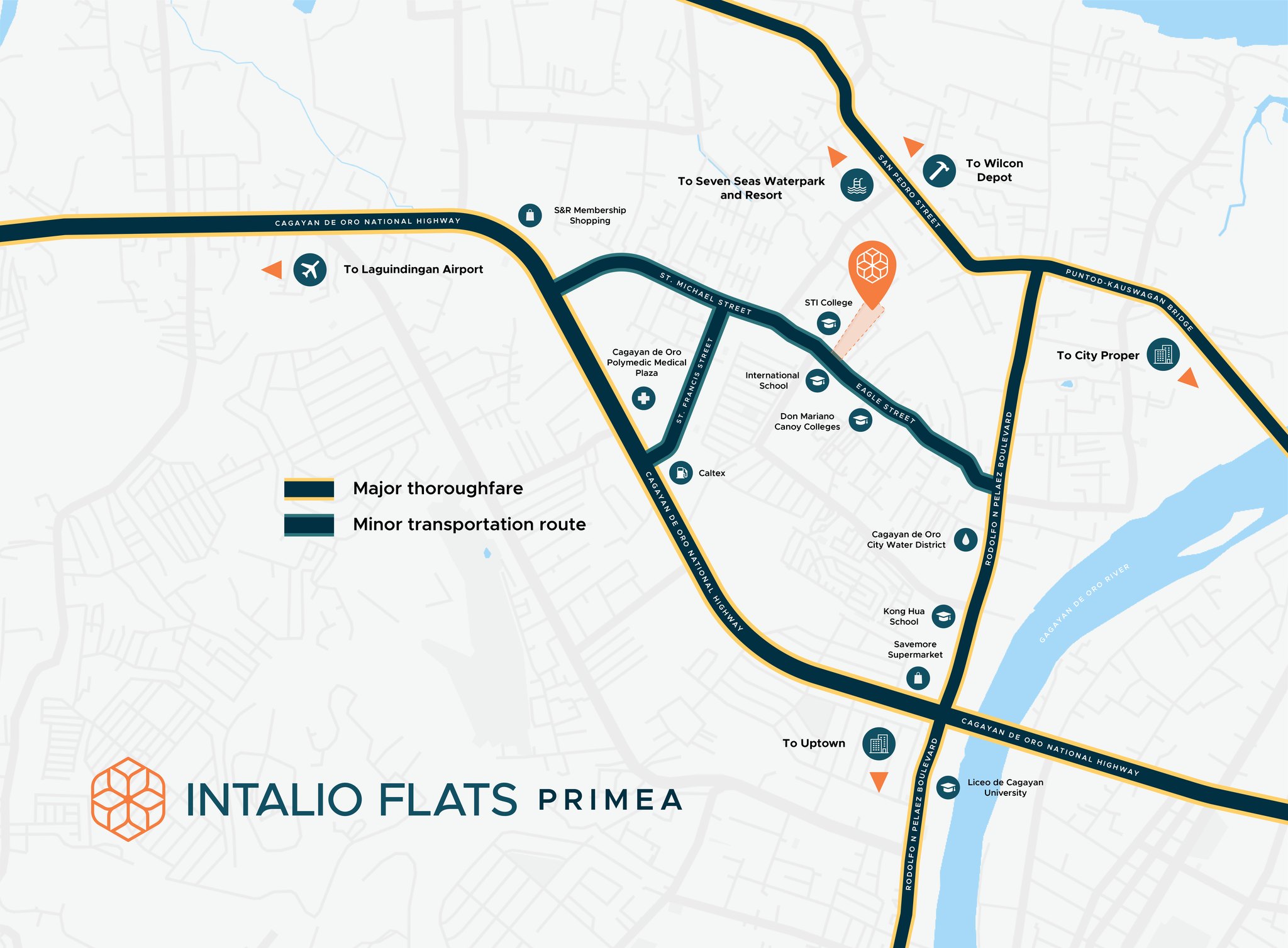
When buying a home, it's easy to focus on the price, unit layout, or amenities. But think about your everyday life for a moment. Where do you work? How much time do you spend commuting? Which places do you visit regularly? What would make your daily routine easier?
These questions matter just as much as the property itself.
For young professionals working in Cagayan de Oro City and nearby areas, the right location can mean easier access to work, essential services, transportation, and the places they enjoy visiting. Over time, convenience can also influence your transportation expenses and overall quality of life.
Remote workers have a few additional things to consider. Is the internet connectivity suitable for your work? Will you have enough space for a comfortable workstation? Is the surrounding environment conducive to concentration, especially during important meetings?
It's also worth thinking about your future. If you eventually change jobs, relocate, or decide to sell your property, the location may influence its appeal to other buyers. Rental demand may also be a consideration if you plan to use the property as an investment, although neither rental income nor property appreciation is guaranteed.
Before making a decision, take time to evaluate:
How accessible the property is to your workplace and regular destinations
The availability of nearby commercial establishments and essential services
Transportation options and typical travel times
The building's facilities, house rules, and maintenance arrangements
The developer's track record, project status, and relevant legal documentation
The total cost of ownership, including expenses beyond the purchase price
A beautiful unit may catch your eye, but a property that fits your everyday routine can bring value long after the excitement of buying has passed.
5. Should You Consider Intalio Flats Primea?
If you're exploring condominium ownership in Cagayan de Oro City, Intalio Flats Primea is one development you can include in your search.
But rather than choosing a property simply because the photos look appealing, start by asking whether it fits your needs and financial situation.
What unit configurations are currently available? How much do they cost? What payment options can you explore, and how much money should you prepare upfront? What amenities are included, and what are the applicable association dues?
You'll also want to understand the project's current development and turnover status, the relevant ownership rules, and whether the location works for your lifestyle.
These questions are important whether you're planning to live in the condominium yourself, establish a personal home while working in the city, or hold the property as part of a longer-term investment strategy.
For some buyers, the priority is independence and convenience. Others are looking for a home they can eventually share with their family. Still others want to add property to their investment portfolio.
Your reasons for buying will influence which unit and payment arrangement make the most sense.
The best condominium isn't necessarily the one with the most impressive brochure. It's the one that fits your lifestyle, your budget, and your goals.
Intalio Flats Primea may be worth exploring, but the right decision starts with verified project details and an honest assessment of what works for you.
If you're curious about the development, I can help you explore the available options and understand the next steps toward ownership.
6. Five Mistakes to Avoid When Buying Your First Home
Buying your first property is an exciting milestone. It's also a significant financial commitment, so taking your time and asking the right questions can save you from unnecessary stress later.
Here are five mistakes to watch out for.
Mistake #1: Looking only at the advertised monthly payment.
A low monthly payment can make a property look attractive, but it doesn't tell the whole story. Ask for the complete payment schedule, upfront expenses, other applicable charges, and financing conditions before making a decision.
Mistake #2: Spending all your savings to secure a unit.
Owning a home shouldn't leave you without a financial cushion. Set aside money for emergencies and unexpected expenses, even as you work toward your property goals.
Mistake #3: Assuming loan approval is guaranteed.
Reserving a unit or making initial payments doesn't automatically mean your financing will be approved. Understand the lender's requirements, assessment process, and the consequences if your application is unsuccessful.
Mistake #4: Buying simply because other people are doing it.
Your friends may be ready to buy, but their income, obligations, and priorities may be very different from yours. It's better to make a decision based on your own financial capacity than to rush because you feel you're falling behind.
Mistake #5: Signing documents without understanding the terms.
Take time to review the reservation agreement, contract provisions, payment obligations, refund conditions, and relevant property documents. If something isn't clear, ask questions and seek qualified legal or financial advice when needed.
Here's the thing: you don't have to rush into homeownership to prove that you're financially successful.
You simply need to understand your options and make a decision you can stand behind.
7. Your Homebuying Journey Can Start With a Conversation
Perhaps you've been looking at condominium listings for months.
You've saved photos of interiors you like, compared prices, and imagined what your own space might look like. You can already picture yourself working by the window, enjoying your coffee after a long day, or finally having a place that's entirely yours.
But whenever you get close to making a decision, the questions come back.
Can I afford it with my current income? How much should I save? Which payment scheme would work for me? What documents will I need? Should I buy now, or would it be wiser to prepare a little longer?
These are valid concerns. In fact, they're exactly the kinds of questions you should ask before committing to a property.
You don't need to have all the answers before speaking with a real estate broker. Sometimes, the most helpful first step is simply talking to someone who can explain the process, walk you through your options, and help you understand what to consider.
That's how I believe the homebuying journey should begin: with information, realistic expectations, and guidance—not pressure.
As a real estate broker and appraiser, I look beyond the appearance of a property. I also consider the financial decision behind it. My goal is to help you evaluate your options, understand the details, and identify properties that align with your needs and homeownership goals.
Whether you're interested in Intalio Flats Primea or would like to explore other suitable properties in the Philippines, we can start by discussing what you're looking for and what fits your circumstances.
You don't need to make a reservation just to ask questions.
Sometimes, a simple conversation is all it takes to turn a vague dream into a practical plan.
Ready to Take the First Step Toward Owning Your Home?
Your hard-earned income represents years of effort, discipline, and ambition. It's worth thinking about how that income can help you build the future you want.
And you don't have to wait until everything feels perfect before you begin.
Start by understanding your budget, learning about your options, and exploring what homeownership could look like for you. Take it one step at a time.
Let's turn your questions into a practical homebuying plan.
Here's how we can get started:
Send me a message with the word HOME. It's a simple way to begin the conversation.
Tell me what you're looking for. Are you buying for yourself, preparing for a future family, or building a long-term investment portfolio?
Share your preferred location and approximate monthly budget. This will help us narrow down options worth exploring.
Let's discuss your next steps. We can review suitable properties, current availability, published payment schemes, and the requirements you need to understand before making a commitment.
There's no need to rush. The first conversation is about understanding your goals and finding a sensible way forward.
I'm Xy-Za Yape, your real estate broker in the Philippines. My goal is to help you make informed property decisions, whether you're buying your first condominium or exploring your next real estate investment.
You work hard to build your career. Now, let's explore how you can start building a place of your own.
📩 Message me today with the word HOME, and let's begin your homeownership journey together.
Your future home may be closer than you think—not because you need to rush, but because you can start planning for it today.